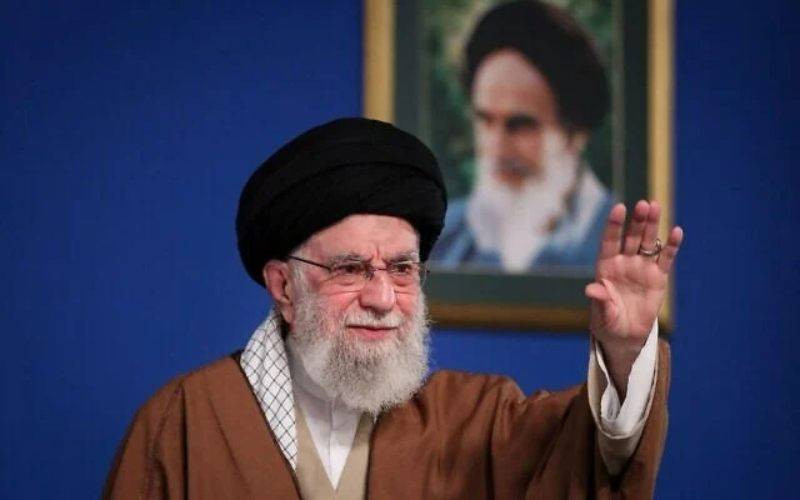
Khamenei's Burial Place Confirmed: Mashhad, The Holy City
The spiritual heart of Iran, the holy city of Mashhad, has been officially confirmed as the final resting place for Iran's late supreme leader, Ayatollah Ali Khamenei. The decision, reported by Iranian media including the Fars news agency, holds profound significance, intertwining personal ties with deep religious and national symbolism. Khamenei, who led the Islamic Republic for 36 years, was reportedly killed in US-Israeli strikes on Saturday, marking an abrupt end to his long and influential tenure. His burial in Mashhad, Iran's second-largest city and a revered pilgrimage destination, underscores the inextricable link between the nation's leadership and its spiritual heritage. This choice of burial site is far from arbitrary; it is a testament to Mashhad's enduring sanctity and Khamenei's personal connection to the city.
Mashhad: A City Steeped in Spiritual Significance
Mashhad's identity is inextricably linked to the Imam Reza shrine, the resting place of Imam Reza, the eighth Imam of Twelver Shi’ism. This sacred complex draws millions of pilgrims annually from across Iran and the wider Shi'a world, making it one of the most important holy sites in Islam. Its sprawling courtyards, magnificent golden dome, and intricate tilework encapsulate centuries of devotion and architectural grandeur. For many, a pilgrimage to Mashhad is a lifelong aspiration, a journey undertaken to seek spiritual solace and blessings. The city’s history is rich with tales of scholarship, piety, and resistance, making it a powerful symbol of Shi'a identity and resilience.
The decision to inter Ayatollah Ali Khamenei in Mashhad resonates deeply with this spiritual legacy. Beyond its status as a major pilgrimage destination, Mashhad was also Khamenei's city of origin. Born and raised there, his familial roots are firmly planted in its sacred soil; his father, a respected cleric, is also reportedly buried at the Imam Reza shrine. This personal connection reinforces the choice, transforming a national event into a deeply personal and culturally resonant occasion. The proximity to his lineage and the spiritual gravity of the Imam Reza shrine position his final resting place within a continuum of revered figures, solidifying his place in Iran's religious and national narrative. The significance of his burial here extends beyond mere geography, embedding him within the very spiritual fabric of the nation.
The Legacy of a Leader and the Choice of Resting Place
Ayatollah Ali Khamenei’s 36-year leadership was a period of immense change and challenge for Iran. Succeeding Ayatollah Ruhollah Khomeini, the founder of the Islamic Republic, Khamenei navigated complex geopolitical landscapes, internal political shifts, and profound societal transformations. His tenure saw Iran solidify its regional influence, develop its nuclear program, and face significant international pressure and sanctions. The choice of Mashhad as his burial site is a powerful statement, linking his leadership directly to the spiritual heartland of Iran and, by extension, to the core tenets of Shi'ism.
This decision carries significant symbolic weight, reinforcing the religious legitimacy of the leadership and connecting Khamenei to the deepest wellsprings of Iranian identity. It allows for a continuous spiritual connection between the late leader and the countless pilgrims who visit Mashhad. His resting place within such a revered complex can be seen as an effort to ensure his enduring legacy is intertwined with the spiritual aspirations of the nation. For followers and observers alike, the specific location speaks volumes about the desired perception of his historical role and the continuity of religious authority in Iran. The magnitude of this event for the future political and religious landscape of Iran cannot be overstated. For a deeper dive into the implications of this decision, consider reading our article on
Late Leader Khamenei to Be Buried in Mashhad, His Home City.
Preparing for a Historical Event: Logistics and Reverence
While no specific date for the burial has been disclosed, the confirmation of Mashhad as the site immediately triggers a monumental undertaking in terms of logistics and security. The city, already accustomed to managing vast throngs of pilgrims, will now brace for an even greater influx of mourners, dignitaries, and official delegations from across Iran and beyond. This will necessitate meticulous planning for crowd control, public safety, and the facilitation of ceremonies befitting a supreme leader.
Local authorities and the custodians of the Imam Reza shrine will work tirelessly to prepare the designated burial area, ensuring that the solemnity and sanctity of the event are maintained. The spiritual atmosphere, already palpable in Mashhad, will undoubtedly intensify, marked by collective prayers, eulogies, and displays of profound grief and respect. For those contemplating a visit to Mashhad during such a period, practical advice would include expecting significant travel disruptions, heightened security measures, and potentially overwhelming crowds. Accommodation and transportation will likely be at a premium, and flexibility will be key. This event transforms Mashhad into a focal point of national and international attention, drawing eyes to its sacred spaces and the profound ritual of leadership transition. Further details on the operational aspects can be found in our comprehensive report:
Mashhad Prepares for Khamenei Burial After US-Israeli Strikes.
The Imam Reza Shrine: A Focal Point for Mourners
The Imam Reza shrine, already a vibrant hub of devotion, will naturally become the epicenter of mourning activities following Khamenei's burial. Beyond the specific burial site, the entire complex, with its various prayer halls, courtyards, and libraries, will serve as a gathering place for those wishing to pay their respects. Lectures, sermons, and devotional readings will likely be organized, providing spiritual guidance and comfort to the grieving populace. The shrine's architectural grandeur, which inspires awe and contemplation, will provide a fitting backdrop for this period of national mourning. Pilgrims and citizens will engage in collective rituals of remembrance, reflecting on the leader's life and the future of the nation. The historical significance of the shrine will only be amplified by its role in hosting the final rites of such a prominent figure, cementing its status not just as a religious monument but also as a crucial site for national memory and identity.
The Symbolism of a Sacred Resting Place
The decision regarding Khamenei's burial place in Mashhad carries a profound symbolic weight that extends far beyond a simple geographical choice. It is a powerful affirmation of the deep connection between Iran's leadership, its spiritual roots, and the national identity. By choosing to rest in the holy city, near the Imam Reza shrine and alongside his own father, Khamenei's legacy becomes indissolubly linked to the very heart of Shi'a devotion and Iranian heritage. This move reinforces the narrative that the supreme leader is not merely a political figure but also a spiritual guide, drawing authority and legitimacy from the same sacred wellsprings that nourish the faith of millions.
This strategic placement ensures that future generations will associate Khamenei not just with political decisions but with the enduring spiritual landscape of Iran. It transforms his burial site into a permanent pilgrimage destination for his followers, ensuring a continuous stream of visitors who will reflect on his life and leadership within the sacred context of Mashhad. The choice thus strengthens the bond between religious authority and national identity, projecting an image of stability and continuity in a period of transition. It is a testament to the enduring power of faith and tradition in shaping the destiny of a nation and its leaders.
In conclusion, the confirmation of Mashhad as the burial place for Iran's late supreme leader, Ayatollah Ali Khamenei, is a decision rich in symbolism and historical significance. It underscores the profound spiritual importance of Mashhad, Khamenei's personal ties to the holy city, and the deliberate intertwining of his legacy with the core religious and national identity of Iran. As the nation prepares for this momentous event, Mashhad stands ready to embrace its role as the final resting place of a pivotal figure, forever connecting his story to the enduring sanctity of the Imam Reza shrine and the unwavering faith of the Iranian people.