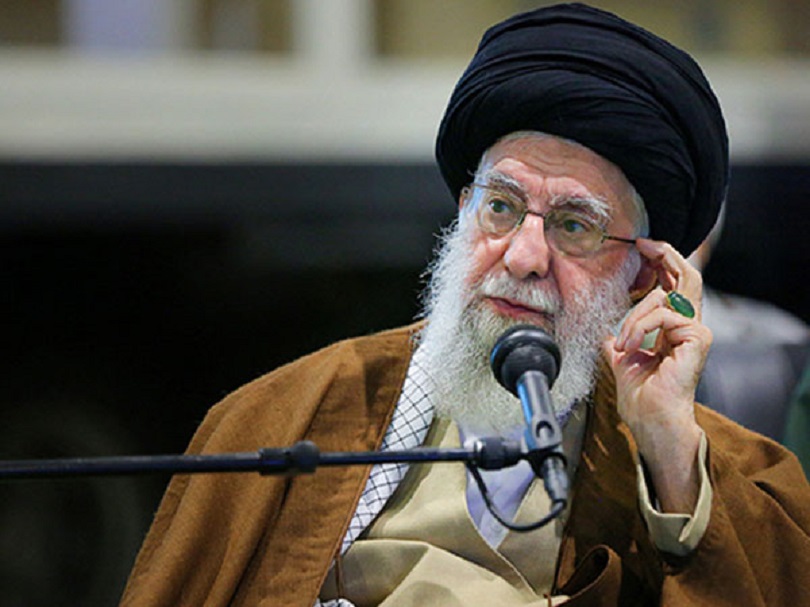
Mashhad Prepares for Khamenei Burial After US-Israeli Strikes: A Holy City Awaits Its Leader
In a significant development reverberating across Iran and the broader Middle East, the Islamic Republic is preparing for the burial of its late Supreme Leader, Ayatollah Ali Khamenei, who reportedly passed away following US-Israeli strikes. The chosen Khamenei's burial place confirmed: Mashhad, the holy city, marks a profound symbolic choice, deeply rooted in religious tradition and the late leader's personal history. Mashhad, Iran's second-largest city and a revered pilgrimage site, is now at the center of national attention as it makes arrangements to host the final resting place of a figure who shaped Iran's destiny for over three decades.
The announcement, initially reported by the Fars news agency, confirms Mashhad as the designated location, a decision that carries immense weight beyond mere logistics. This holy city, home to the sacred Imam Reza shrine, is not only where Khamenei was born but also where his father lies interred. The convergence of these factors elevates the burial into an event of both national mourning and profound religious significance, expected to draw immense crowds and solidify Mashhad's already prominent place in the hearts of Iranians.
Mashhad: A Sacred Resting Place for a Revered Leader
The selection of Mashhad as the late leader Khamenei to be buried in Mashhad, his home city, is a decision steeped in both personal and national symbolism. Mashhad holds an unparalleled position in Shi'a Islam as the site of the Shrine of Imam Reza, the eighth Imam of Shi'a Muslims. This golden-domed complex is a focal point of pilgrimage, attracting millions of devotees annually from Iran and beyond. To be interred in such hallowed ground is an honor of the highest order, linking the deceased directly to the spiritual lineage revered by the nation.
For Ayatollah Khamenei, Mashhad was more than just a holy city; it was his birthplace and the city where he spent his formative years. His personal connection to the city is further solidified by the fact that his own father is buried within the Imam Reza shrine complex. This familial tie imbues the choice of Khamenei's burial place confirmed: Mashhad, the holy city with a deep sense of continuity and reverence for ancestry, reinforcing his image as a leader connected to the roots of his faith and his people. The decision, though not surprising to many who understood his deep connection to the city, underscores the profound spiritual and historical dimensions attached to his legacy.
The burial in Mashhad is not merely an act of internment; it is an act of spiritual pilgrimage in itself. For future generations, the Khamenei burial place will become another point of focus within the sacred geography of Iran, potentially drawing even more visitors to Mashhad, not only for Imam Reza but also to pay respects to the former Supreme Leader. This natural alignment of personal history, religious sanctity, and national reverence creates a powerful narrative around his final resting spot.
The Context of Khamenei's Passing and Regional Ramifications
The news of Ayatollah Khamenei's passing, reportedly at the age of 86 after leading the regime for 36 years, comes amidst heightened regional tensions. The reports of his death following US-Israeli strikes add a complex layer to the circumstances surrounding his demise. While the immediate focus shifts to the succession process and the logistics of the state funeral, the reported cause of death will undoubtedly fuel narratives both domestically and internationally, shaping perceptions of this pivotal moment in Iranian history.
The geopolitical landscape of the Middle East has long been marked by intricate power dynamics, and the leadership transition in Iran, particularly under such circumstances, is expected to be closely watched by global powers. While the article's primary focus is on the Khamenei burial place and its significance, it's crucial to acknowledge the broader context that will inevitably influence the national mood and the proceedings. The period of national mourning will likely be intertwined with expressions of national resolve, particularly given the reported cause of death.
For Iran, the passing of a Supreme Leader is a moment of immense national introspection and unity. Ayatollah Khamenei's tenure saw numerous domestic and international challenges, and his burial will be a moment for the nation to reflect on his leadership and the path forward. The circumstances demand a meticulous approach to the funeral arrangements, not only to honor the departed leader but also to project stability and continuity during a sensitive period. The choice of Mashhad reinforces a sense of deep-seated Iranian identity and faith, potentially serving as a unifying force during this time.
Preparing for a State Funeral: Logistics, Legacy, and Public Observance
Organizing the burial of a Supreme Leader in a holy city like Mashhad presents an immense logistical challenge. While no specific date for the burial has yet been disclosed, the preparations will involve extensive coordination between various governmental and religious bodies. The anticipated scale of public mourning, potentially drawing millions to Mashhad, necessitates meticulous planning for security, crowd control, and ceremonial protocols. State funerals in Iran are typically grand affairs, characterized by elaborate public processions, prayers, and widespread expressions of grief and allegiance.
Key Considerations for the Burial:
- Security: Ensuring the safety of dignitaries, foreign delegations, and the massive public turnout will be paramount. Expect significant deployment of security forces across Mashhad.
- Crowd Management: Given Mashhad's existing infrastructure as a pilgrimage hub, there is some experience in managing large crowds. However, the unique nature of a Supreme Leader's funeral will require enhanced measures, including designated viewing areas and traffic management plans.
- Religious Protocols: The ceremony will adhere strictly to Shi'a Islamic burial rites, including ritual washing, shrouding, and specific prayers led by senior clerics. The interment within or near the Imam Reza shrine will involve sacred traditions and reverence.
- Media Coverage: Domestic and international media will be present in large numbers, broadcasting the events globally. This requires careful management of access and information dissemination.
- Public Access: Authorities will need to balance the desire for public participation with the practicalities of crowd control, likely designating routes for public processions and areas for collective prayer.
The funeral proceedings will also serve as a powerful reaffirmation of Ayatollah Khamenei's legacy. Having led Iran for 36 years, his tenure encompassed critical periods of both domestic development and international confrontation. The choice of late leader Khamenei to be buried in Mashhad, his home city, within the spiritual heartland of Iran, will forever link his memory to the nation's religious and historical identity. It is a strategic decision that underscores the continuity of the Islamic Revolution and the enduring principles he championed.
The Imam Reza Shrine: A Sacred Ground for a Leader
The Imam Reza shrine complex is more than just a burial site; it is a sprawling architectural marvel and a spiritual beacon. Incorporating mosques, courtyards, libraries, and seminaries, it represents the vibrant heart of Mashhad. The decision for the Khamenei burial place to be within or adjacent to this complex will further sanctify the location and intertwine his personal history with the sacred narrative of Shi'a Islam. This choice draws a direct parallel to historical figures and religious scholars who have been laid to rest in proximity to holy sites, bestowing upon them a heightened spiritual status.
Being buried near his father within such a prestigious complex reinforces a sense of both personal piety and institutional legitimacy. It suggests a seamless connection between his lineage and the broader spiritual heritage of Iran. The shrine itself is a symbol of resilience and faith, and adding the Supreme Leader's resting place to its precincts will only amplify its national importance. Pilgrims visiting the shrine in the future will not only seek blessings from Imam Reza but also pay respects at the grave of a leader who dedicated his life to the Islamic Republic.
The Enduring Impact of Khamenei's Burial Place
The confirmation of Mashhad as the Khamenei burial place is more than a simple geographical detail; it is a strategic decision with long-term implications for Iran's political and spiritual landscape. This choice solidifies Mashhad's already prominent role and ensures that the city will continue to be a focal point for national identity and religious devotion for generations to come. The symbolic weight of burying a Supreme Leader in such a revered location, particularly under the reported circumstances of his death, will profoundly influence how his legacy is perceived and integrated into the national consciousness.
The event itself will likely be a moment of national unity, drawing Iranians from all walks of life to participate in the mourning and witness a historic transition. The specific location of the late leader Khamenei to be buried in Mashhad, his home city, reinforces the notion of a leader deeply rooted in the faith and history of his nation. This symbolic anchoring in Mashhad will undoubtedly shape the narrative surrounding his leadership for decades, cementing his place not just as a political figure but also as a spiritual one.
As Mashhad prepares to receive its most distinguished son, the world watches. The selection of this holy city as the final Khamenei burial place is a testament to the profound interconnectedness of faith, history, and leadership in Iran. It is a decision that honors his personal connection to his birthplace, acknowledges the sanctity of the Imam Reza shrine, and strategically reinforces the spiritual foundations of the Islamic Republic. This momentous event, occurring amidst complex regional dynamics, will undoubtedly leave an indelible mark on Iran's trajectory, cementing Mashhad's place as a cornerstone of national memory and spiritual pilgrimage.