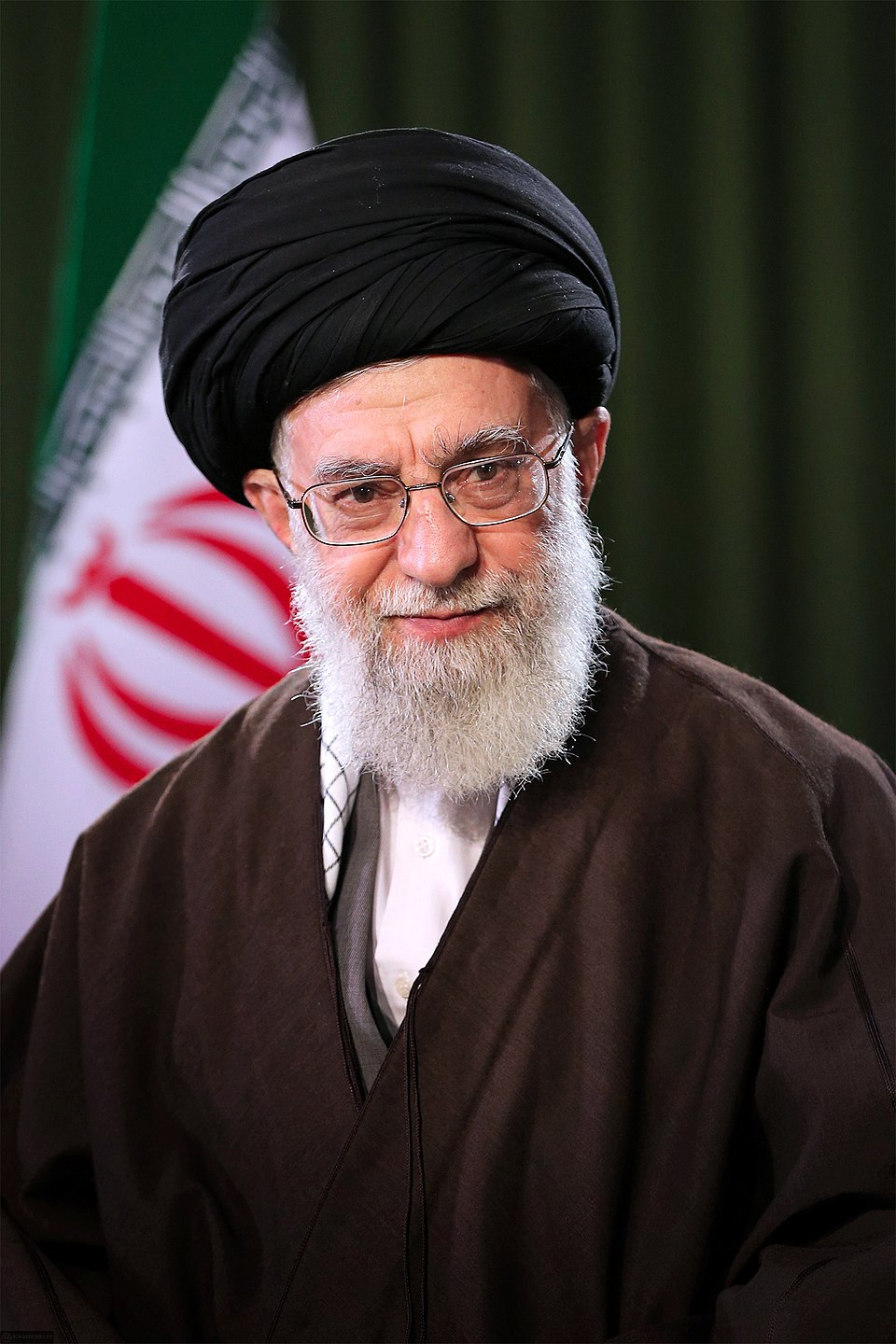
Late Leader Khamenei to Be Buried in Mashhad, His Home City: A Profound Decision
In a significant development that has sent ripples across Iran and the international community, reports from Iranian state media, including the Fars news agency, confirm that the late Supreme Leader, Ayatollah Ali Khamenei, will be laid to rest in the holy city of Mashhad. This decision, announced following his passing attributed to US-Israeli strikes, holds immense symbolic, religious, and political weight, underscoring Mashhad's profound connection to the departed leader and Iran's spiritual heartland. The choice of Mashhad as the khamenei burial place is not merely a logistical arrangement but a deeply resonant statement, reflecting his personal history and the spiritual fabric of the Islamic Republic.
Ayatollah Ali Khamenei, who served as Iran's Supreme Leader for 36 years, passed away at the age of 86. His tenure, marked by pivotal regional and international events, shaped the trajectory of modern Iran. The confirmation of Mashhad, his city of birth and early upbringing, as his final resting place, immediately draws connections to his roots and the revered Imam Reza shrine, where his father is also buried. While the exact date for the burial has yet to be disclosed, preparations in the holy city are expected to be extensive, anticipating a large number of mourners and dignitaries. This pivotal event will undoubtedly become a focal point for national mourning and reflection, influencing the nation's political and spiritual landscape for years to come.
Mashhad: A City Steeped in Holy Significance
Mashhad, Iran's second-largest city, is unequivocally one of the most sacred sites in the Shia Islamic world. It is home to the Imam Reza shrine, the resting place of Imam Reza (Ali al-Ridha), the eighth Imam of Shia Islam. This shrine is a monumental complex that attracts millions of pilgrims annually, making Mashhad a vibrant center of religious learning, culture, and pilgrimage. For Iranians, it represents a deep spiritual connection, a place of solace, and a symbol of national identity intertwined with religious devotion.
The choice of Mashhad as the khamenei burial place is thus imbued with layers of personal and collective significance. Ayatollah Khamenei was born in Mashhad in 1939 and spent his formative years there, receiving his early religious education. His familial ties to the city are strong, with his father, Sayyid Javad Khamenei, also interred within the sacred precincts of the Imam Reza shrine. This personal lineage strengthens the profound connection between the late leader and this holy city, ensuring that his final abode will be amidst the spiritual giants and personal ancestors he revered. This decision reflects a desire to anchor his legacy firmly within the religious and historical heartland of Iran, intertwining his memory with one of the most venerated sites in Shia Islam.
The Symbolism Behind the Choice of Burial Site
The selection of Mashhad for the late leader's burial carries immense symbolic weight, far beyond personal preference. It projects an image of continuity, linking the leadership directly to the spiritual foundations of the Islamic Republic. By choosing a site of such religious veneration, the decision reinforces the theological legitimacy of the leadership and the state itself. The Imam Reza shrine, a beacon of Shia devotion, will now serve as a permanent reminder of the intimate bond between the late Supreme Leader and the spiritual ideals he championed. This move can be interpreted as an effort to solidify his place in history not just as a political figure, but as a religious leader whose roots and final resting place are deeply embedded in the faith.
Furthermore, positioning the khamenei burial place within Mashhad, particularly near the Imam Reza shrine, transforms his tomb into a potential site of pilgrimage and veneration for his followers. This could potentially enhance the spiritual capital of the city, drawing more devotees and cementing Mashhad's status as a central pillar of Shia identity and Iranian nationalism. It also serves as a powerful message to both domestic and international audiences about the enduring spiritual commitment of the Iranian state, even in the wake of such significant loss following the tragic circumstances of US-Israeli strikes.
National Mourning and Regional Ramifications
The passing of a Supreme Leader, especially one who served for over three decades and whose death is attributed to external aggression, inevitably ushers in a period of intense national mourning and profound reflection. Across Iran, millions are expected to participate in funeral processions and commemorative ceremonies. The decision to hold the burial in Mashhad means that the city will become the epicenter of these national observances, drawing countless Iranians from all walks of life. Security measures and logistical preparations for managing such a massive influx of people will be unprecedented, transforming the urban landscape of Mashhad temporarily.
The geopolitical ramifications of Ayatollah Khamenei's death, particularly under the stated circumstances of US-Israeli strikes, are also significant. His leadership was central to Iran's foreign policy and regional posture, and his absence leaves a void that will necessitate careful navigation by the incoming leadership. The burial in Mashhad, a city physically distant from the political capital Tehran but spiritually central, provides a unique confluence of national and religious sentiment during this critical transition period. For more details on the city's readiness for this monumental event, you can refer to Mashhad Prepares for Khamenei Burial After US-Israeli Strikes.
Understanding the Late Leader's Legacy
Ayatollah Ali Khamenei's 36-year tenure as Supreme Leader was characterized by unwavering commitment to the principles of the Islamic Revolution, navigating Iran through periods of immense internal and external pressure. He oversaw significant developments in Iran's nuclear program, its regional foreign policy, and its ideological steadfastness. His speeches and decrees shaped public discourse and policy, making him a figure of immense influence not just within Iran but across the broader Middle East. The selection of the khamenei burial place in Mashhad will forever be intertwined with this legacy, symbolizing his deep roots in revolutionary ideals and religious scholarship.
His leadership saw Iran confront numerous challenges, including international sanctions, regional conflicts, and internal political shifts. His passing, particularly due to the tragic US-Israeli strikes, places an even greater emphasis on the continuity of his vision and the path he set for the Islamic Republic. The burial in Mashhad is more than an end; it is a profound beginning for his legacy, anchoring it to a site that represents spiritual fortitude and unwavering faith.
Preparations Underway and the Road Ahead
While the precise date for the burial remains undisclosed, Mashhad is undoubtedly gearing up for an event of immense national and religious significance. Local authorities, religious institutions, and security forces will be coordinating extensively to ensure the smooth conduct of funeral rites and the safety of countless mourners. The sheer scale of the expected attendance, combined with the solemnity of the occasion, demands meticulous planning and execution. The Fars news agency and other Iranian media outlets continue to provide updates, indicating a national focus on honoring the late leader and facilitating public participation.
The period following the burial will also be crucial for Iran, as attention shifts to the process of succession and the future direction of the country. The Assembly of Experts, a body of 88 clerics, is constitutionally responsible for selecting the next Supreme Leader. This transition period, set against the backdrop of national mourning and geopolitical tension, will be closely watched by domestic and international observers. The enduring spiritual presence of the late leader in Mashhad will serve as a powerful reminder of the deep roots of the Islamic Revolution and the values he upheld. For confirmed details on the chosen location, you may refer to Khamenei's Burial Place Confirmed: Mashhad, The Holy City.
Pilgrimage and Public Engagement
With the confirmation of Mashhad as the khamenei burial place, the city is set to experience an unprecedented surge in visitors. Beyond the immediate funeral proceedings, it is highly probable that the site will become a destination for pilgrims and admirers of the late leader for years to come. The management of this potential increase in spiritual tourism will be a significant undertaking for Mashhad's urban planners and religious endowments. For those considering visiting Mashhad, especially after this event, it is important to be aware of the heightened security and the spiritual atmosphere that will pervade the city. The Imam Reza shrine complex, already a marvel of Islamic architecture and devotion, will likely see even greater reverence, as it will now encompass the earthly resting place of two pivotal figures in Khamenei's life.
Practical Tip for Visitors: If you plan to visit Mashhad, especially the Imam Reza shrine, research current security advisories and local customs. Dress modestly, respect local traditions, and be prepared for potential crowds, especially during significant religious or commemorative dates. Understanding the city's profound spiritual significance enhances the experience, whether you are a pilgrim, a historian, or a curious traveler.
Conclusion
The confirmation of Mashhad as the khamenei burial place marks a pivotal moment in Iranian history. This decision is rich with symbolism, deeply rooted in the late leader's personal history, his connection to Iran's spiritual heartland, and the enduring legacy of the Islamic Revolution. As Iran enters a period of national mourning and transition following the tragic circumstances of US-Israeli strikes, the holy city of Mashhad will stand as a beacon, drawing millions to reflect on the life and contributions of a figure who shaped the nation for over three decades. His final resting place, nestled among revered ancestors and alongside the sacred Imam Reza shrine, ensures that Ayatollah Ali Khamenei's memory will forever be woven into the spiritual and national fabric of Iran, continuing to inspire and influence generations to come.